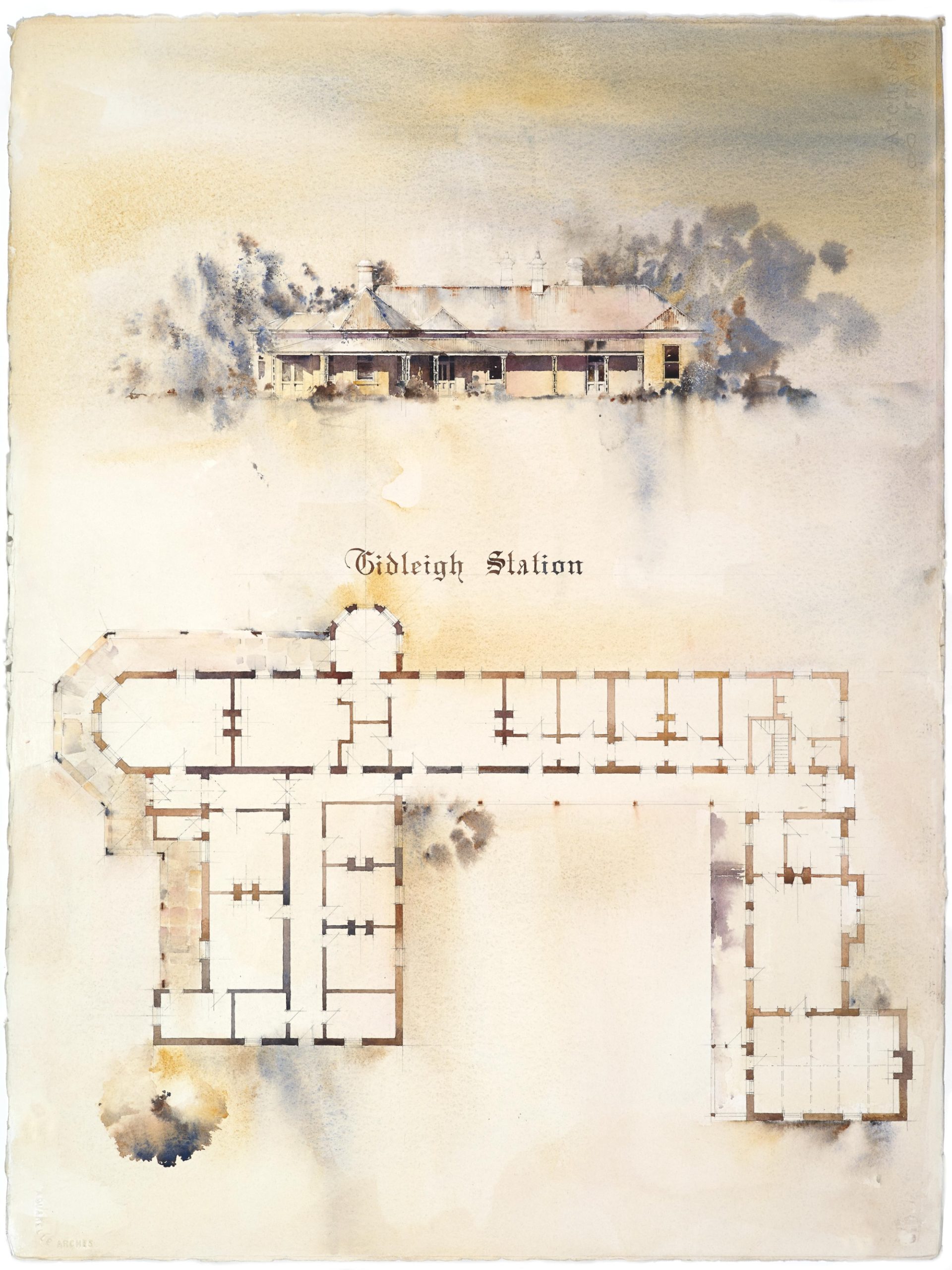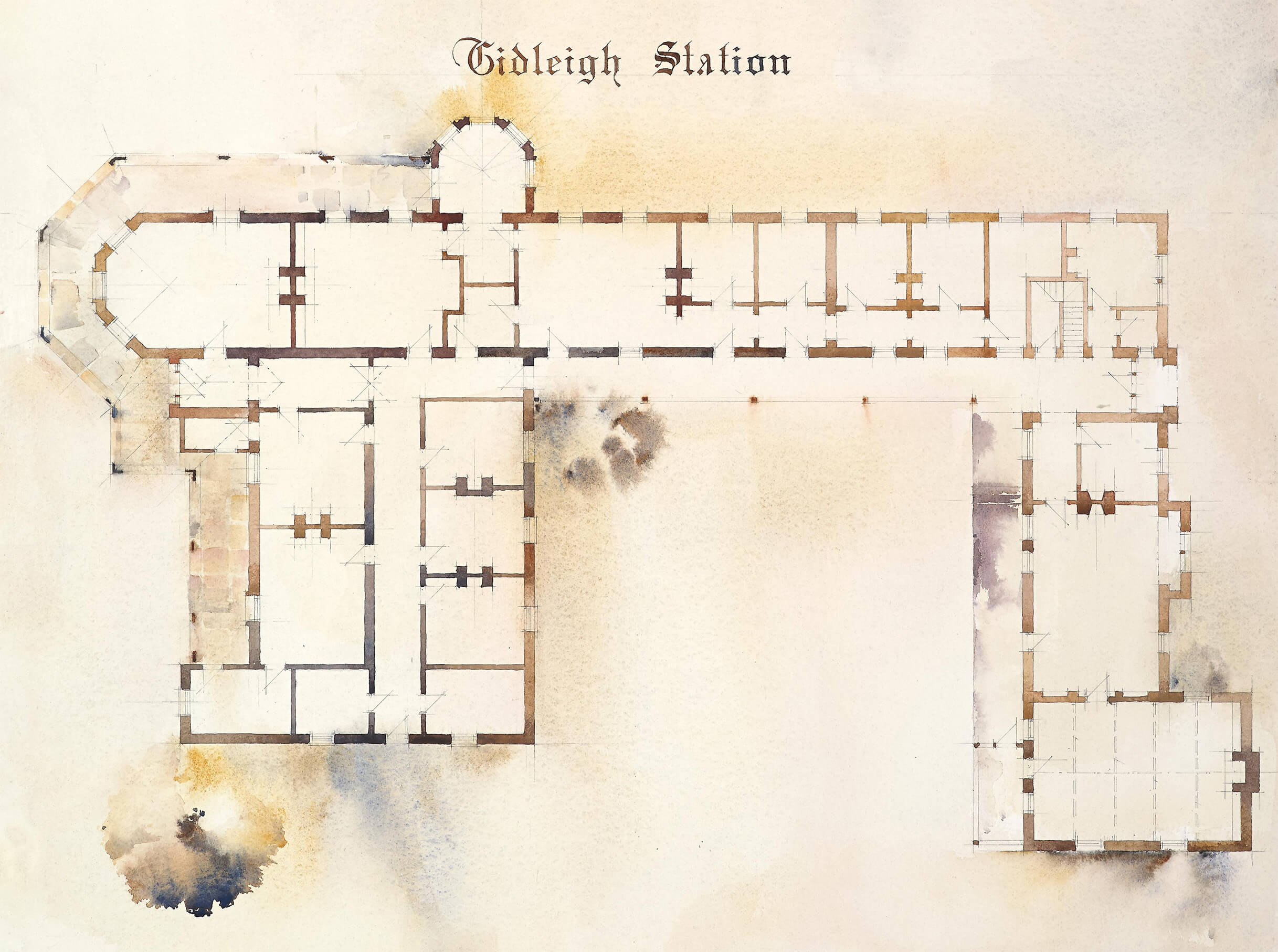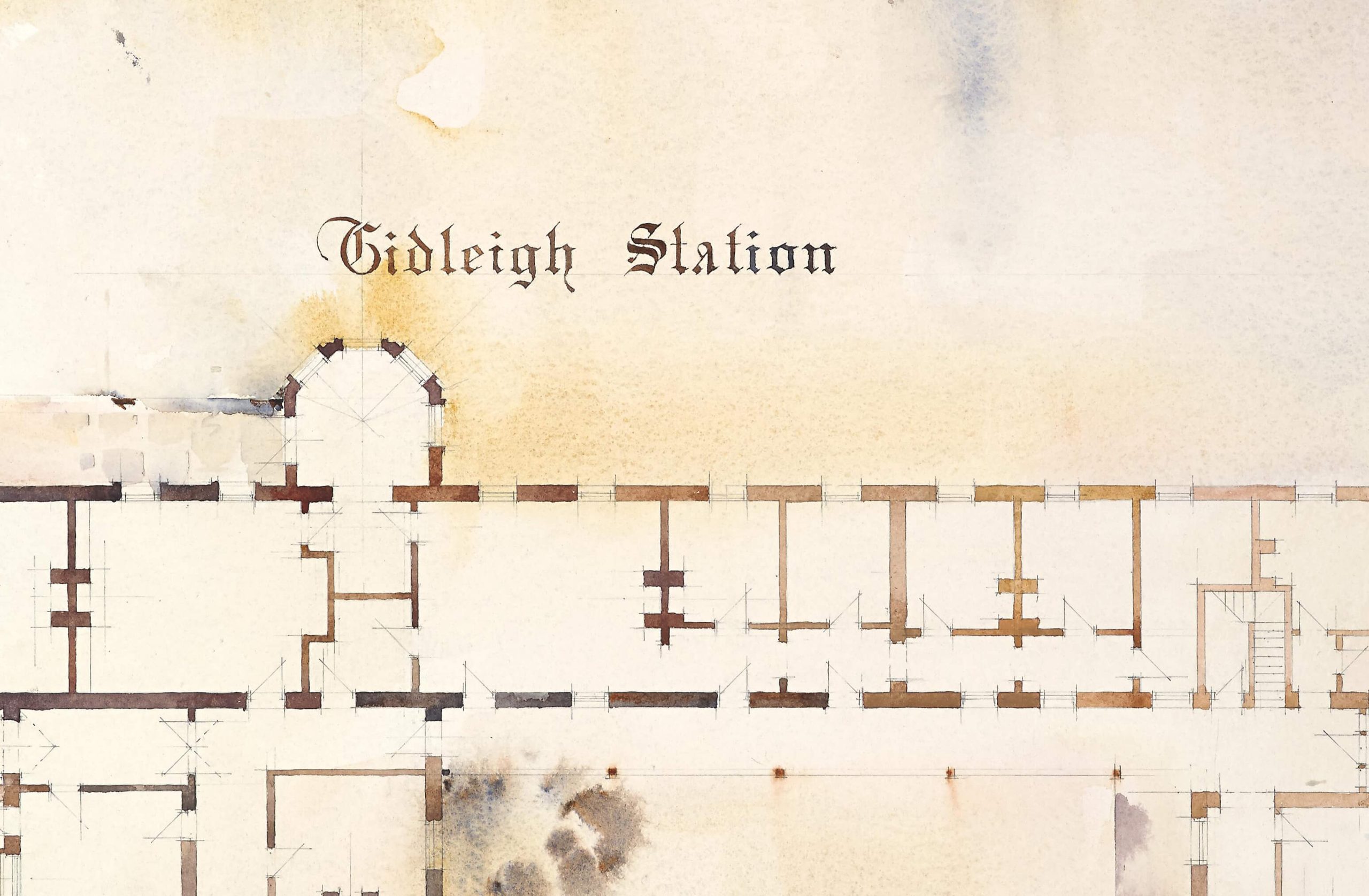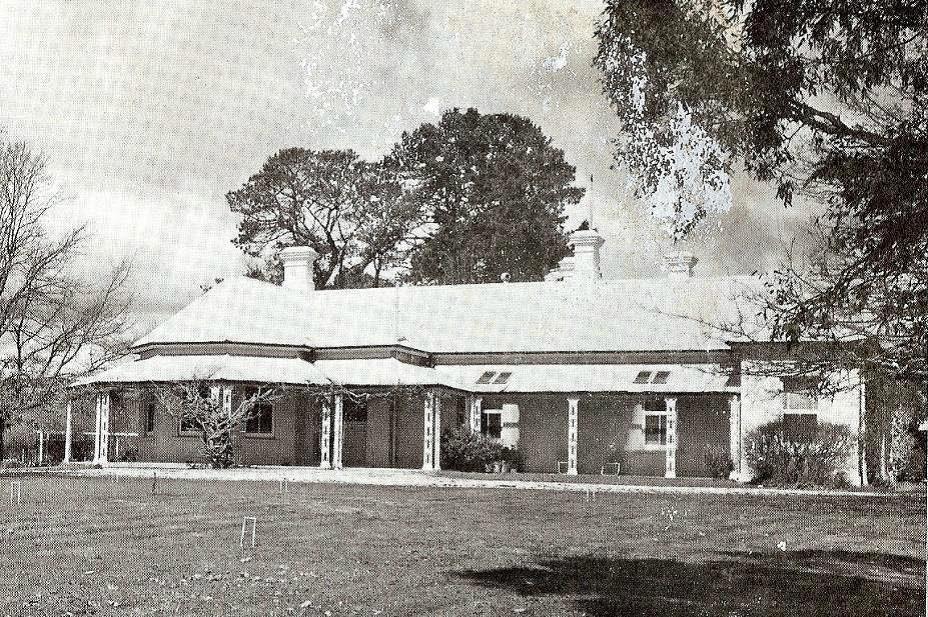
Gidleigh Station Bungendore NSW Australia

Gidleigh Station is one of the finest examples of a large-scale historic agricultural and homestead complex owned by the same family for 150 years. The homestead complex is in a picturesque sheltered valley with timbered slopes, about 7.5km from the historic village of Bungendore 45km from the nation’s capital Canberra. Gidleigh Station dates-back to 1834 and follows the early colonial history of NSW as a highly productive agricultural enterprise running Merino sheep. It is one of the most important colonial homesteads in Australia and features in Historic Homesteads of Australia, published by the Council of National Trusts in 1982. The property was first taken up by Admiral Phillip Parker King, son of Governor, Philip Gidleigh King. The earliest buildings are the convict built 1830’s stables and 1840’s homestead complex. Legendary bush ranger Jackey Jackey 1820-1846 was assigned to Gidleigh Station and worked on the stables from where he made his first escape.

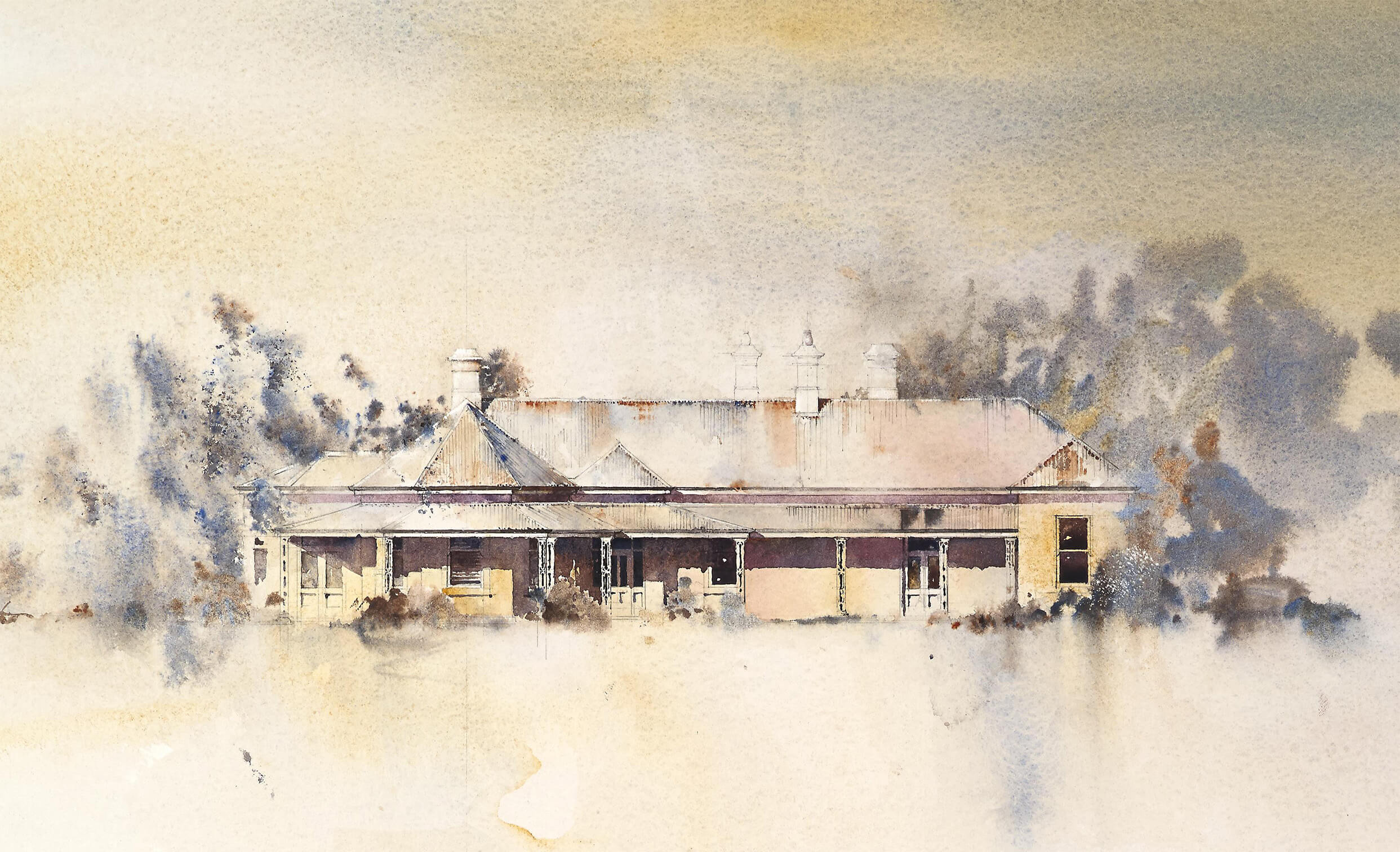
Designed by distinguished English born colonial architect William Wardell the large and spacious colonial homestead was built in 1882 of locally sourced and quarried stone over several stages. The latter two storied front wing was built after WW1 and comprises a ballroom, billiard room and staff quarters. The front entry was redesigned by prominent colonial architect John S Mansfield and incorporates beautiful Australian red-cedar joinery and hardwood flooring with cedar and marble fireplaces and 4.3m high ceilings.

Two magnificent Golden Elms on the front lawn were planted by the King family in the 1830’s. The gardens today, were originally developed and laid out by William Rutledge’s wife, Jean, in the 1880’s. Besides being a keen gardener and a collector of roses, she was the author of the Goulburn Cookery Book. Since 1882 the mainstay of Gidleigh Station has always been Merino sheep. Current stocking allocation is a percentage of beef cattle and Merino sheep renowned for their fine high-quality wool. The property has always been productively managed to an average winter carrying capacity of 10,300 DSE (dry sheep equivalent) Merino sheep and an excellent herd of Angus breeding cattle.