Heronswood House, Dromana, Victoria Australia

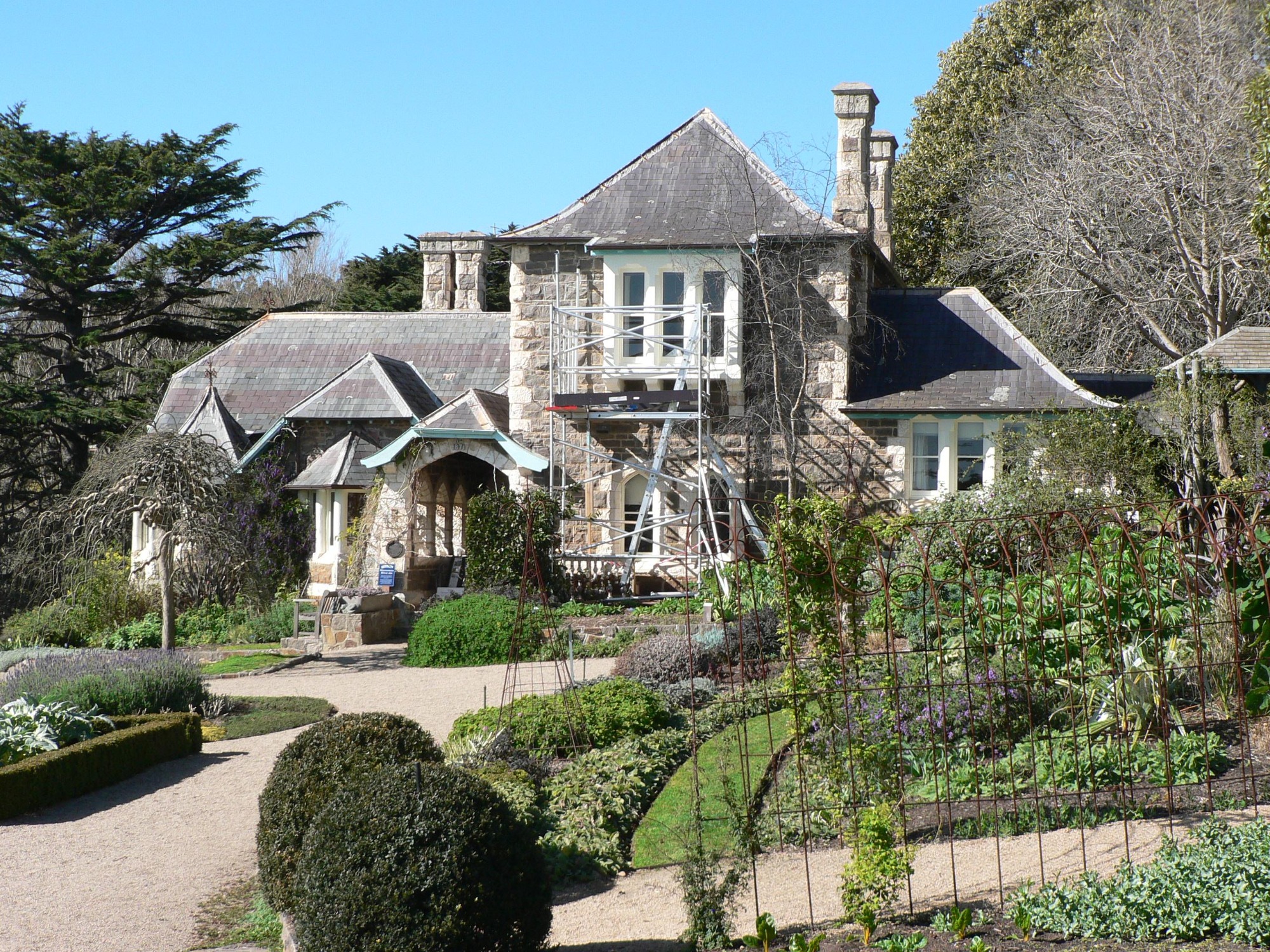
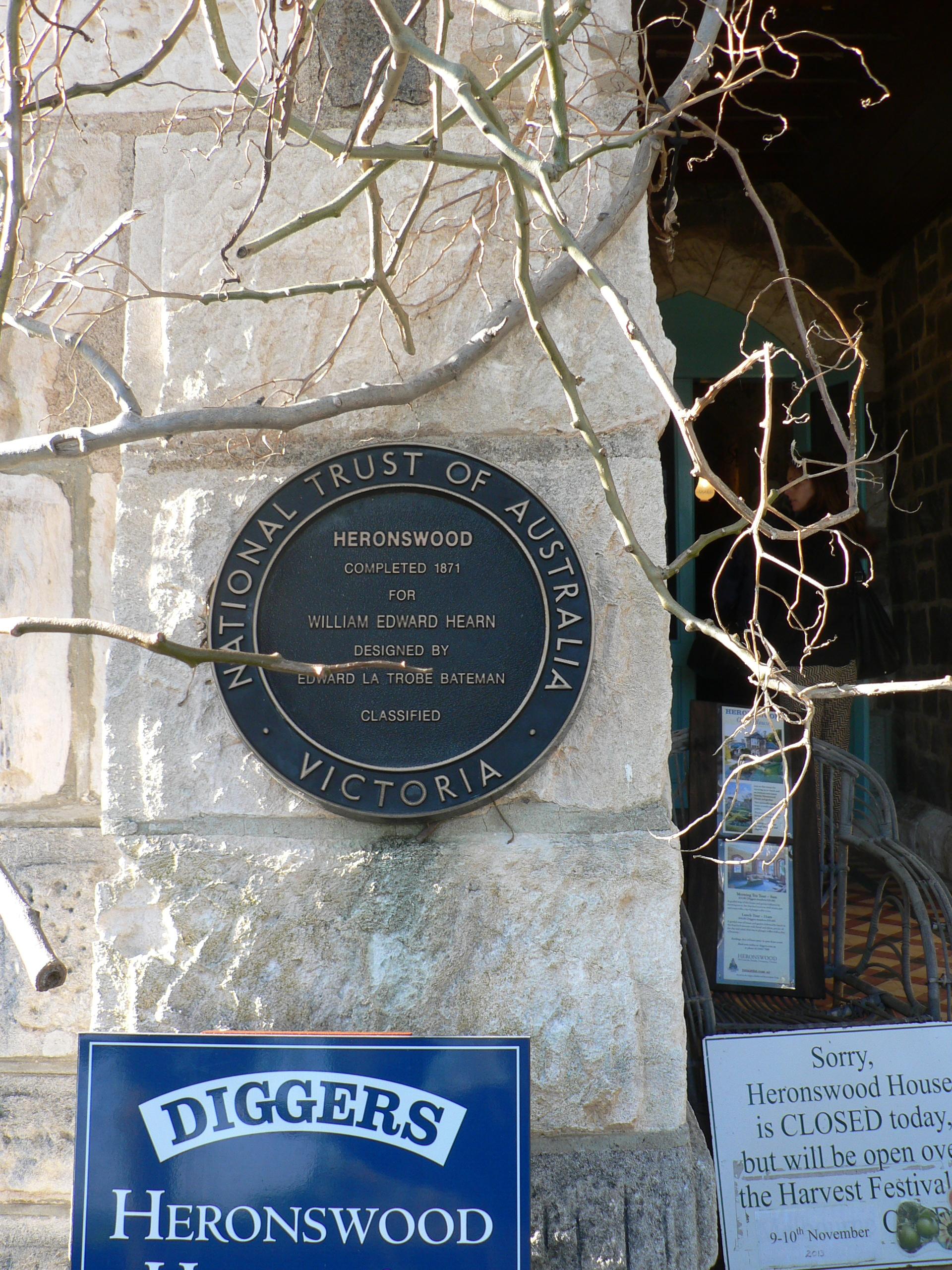
Heronswood House at Dromana Victoria, is a spectacular historic house and garden that sits on a sheltered hilltop escarpment with panoramic views over Port Phillip Bay. The 2 hectare property is home to the Digger’s Club – Australia’s most respected gardening organisation, dedicated to preserving heirloom seeds and the best gardening traditions. Heronswood, was built as a retreat by William Edward Hearn (1826-1888) political economist, jurist, politician and university lecturer, who immigrated to Melbourne from Ireland in 1855. He had been selected in London for a position at the newly established University of Melbourne where Hearn’s publications attracted critical praise and remained as references for almost a century. It is believed, that the text Plutology or theory of “The efforts to satisfy human wants” was written at Heronswood.

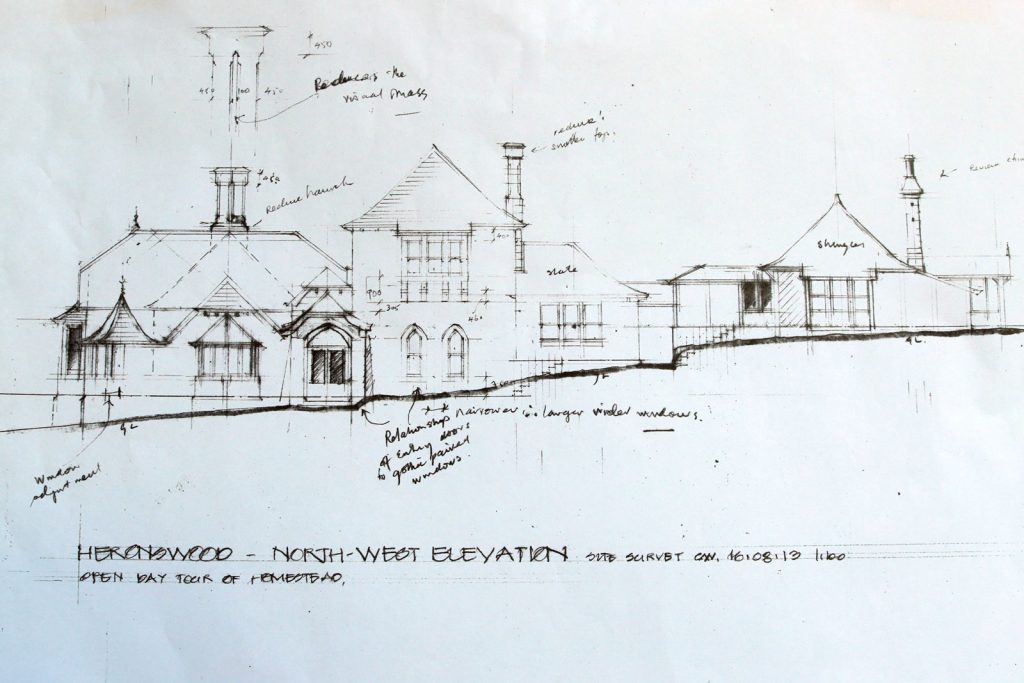
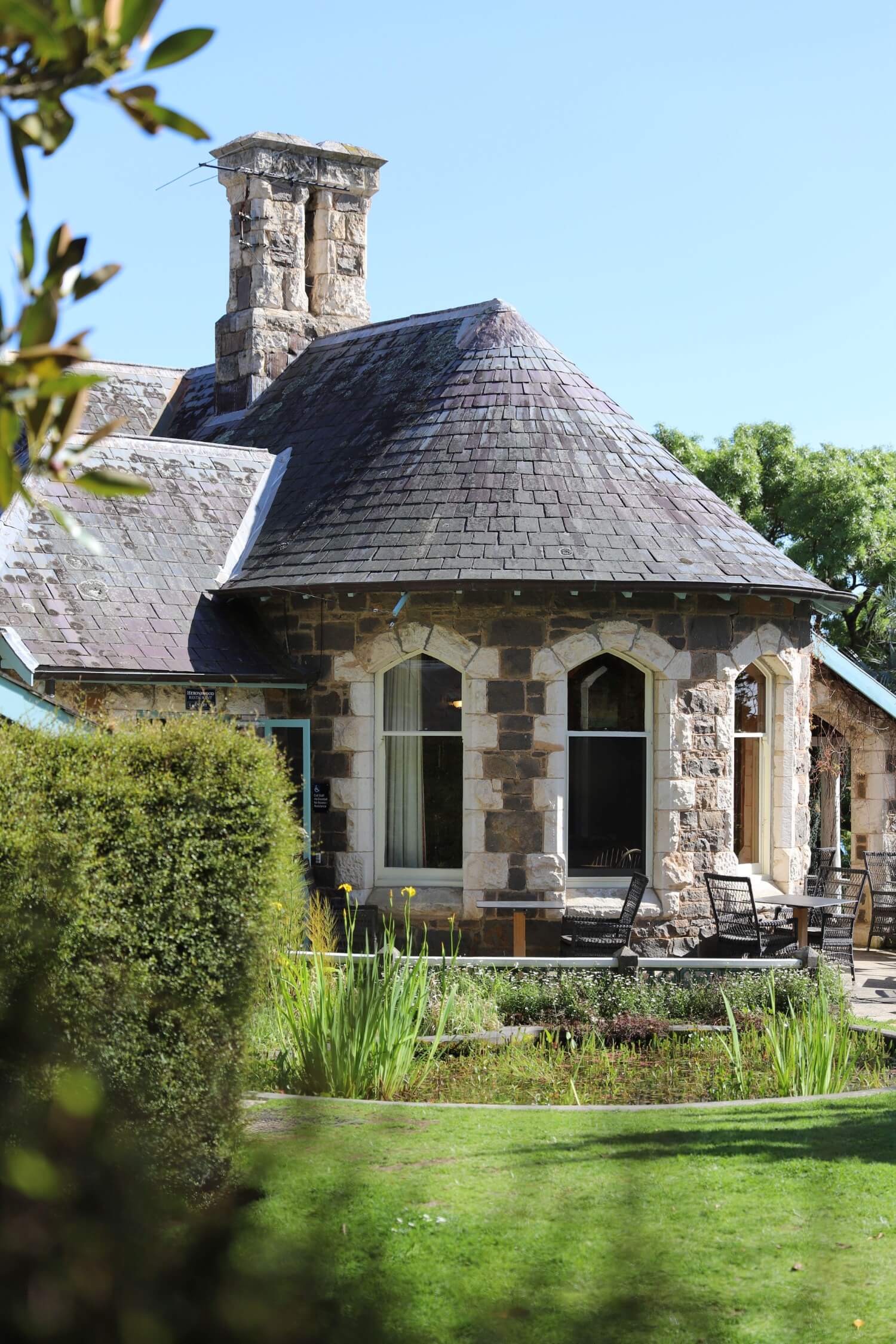
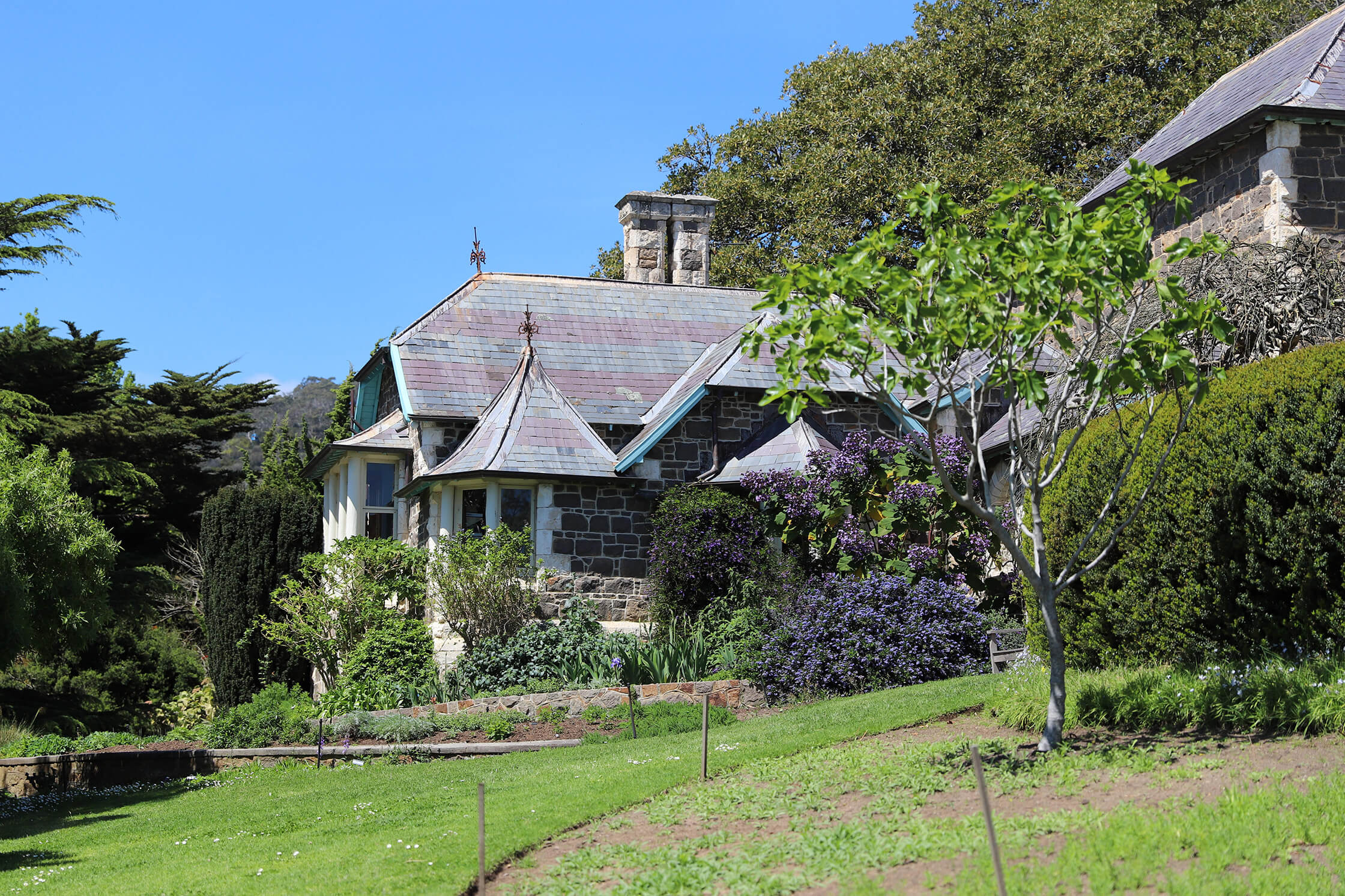
Hearn, was inspired by nearby Barragunda homestead and commissioned the same design team using Edward La Trobe Bateman. He was an illustrator, draughtsman and landscape designer for one of Melbourne’s leading architectural firms, Reed and Barnes. It is believed, that notable colonial architect Joseph Reed, assisted Bateman and had a hand in the design of Heronswood. The picturesque homestead was constructed in 1871 from locally quarried coursed, squared and rare green granite blocks from nearby Arthurs Seat run. The window and door quoins and corbelling are dressed limestone from the southern end of the peninsula. It features many medieval-inspired elements such as the bell-cast Welsh slate rooves. Pointed lancet windows and buttressing to the front porch and loggia contrast with the two storied wings. Bell-cast slate rooves are asymmetrically composed and make it a highly picturesque substantially intact example of Gothic Revival rare in Australian domestic architecture.

The overall effect including the picturesque Cottage Orne built in 1864 is made of rustic materials and remains in the detached timber cottage. The Cottage Orne has drop-slab wall construction between unsawn posts, particularly rare because of the diagonal laying. The cottage has split-timber roof shingles with a massive limestone chimney where the bake house originally was. Inside, it has bush poles as rafters and eaves with vertical beaded edge-boards as lining.