Ravenswood Homestead, Ravenswood, Victoria

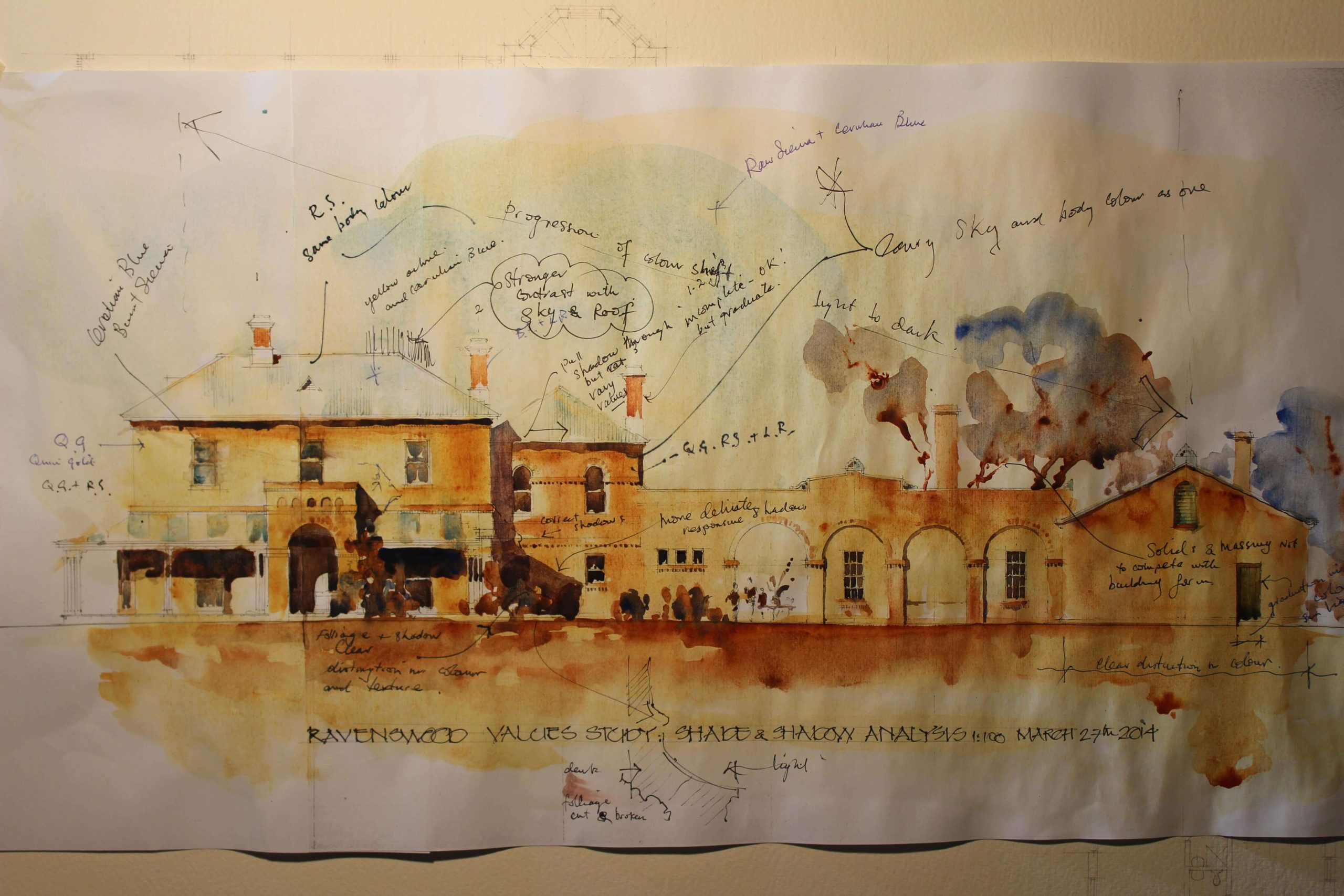
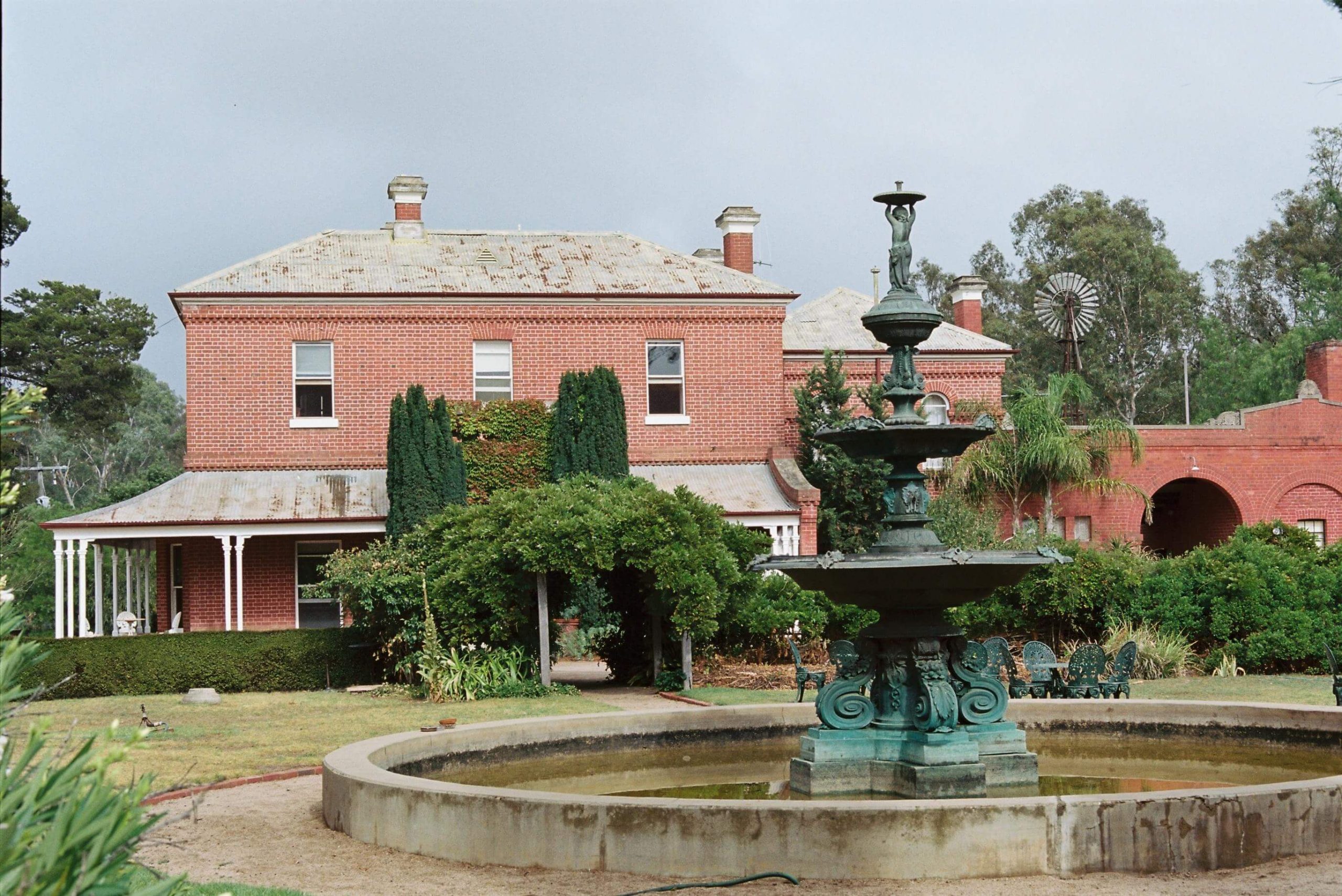
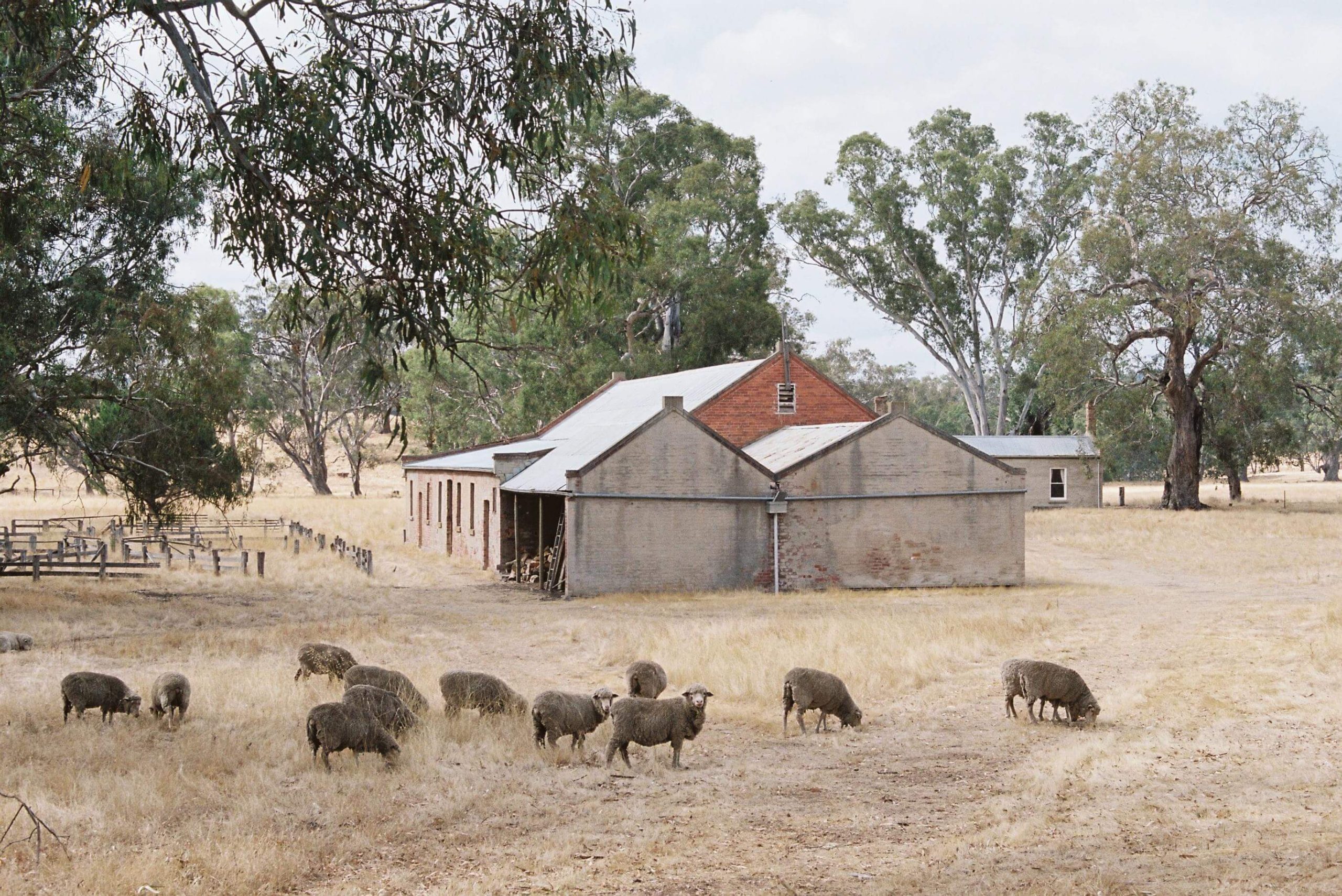
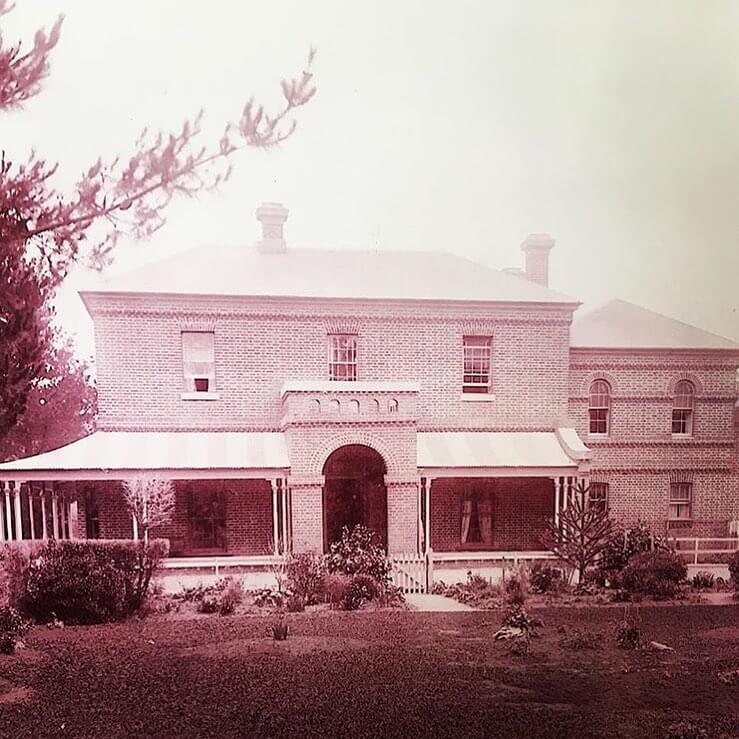
The centrepiece is the magnificent two-storey Georgian brick mansion with later Regency additions. In a class of its own, the spectacular historic mansion house is one of the finest examples of Gold Rush architecture in the region and one of the most historically significant properties in Central Victoria. The main house, built in 1857 (National Trust Classified) and associated historic buildings have all been well maintained and sympathetically restored by their successive owners. The homestead is a refined example of a simple Regency composition which exhibits fine diagonal brick detailing to the eaves, window sills and string coursing. Worth noting, is the historic coach house and servant’s quarters and stable complex which were added in the 186o’s and converted to accommodation.

Ravenswood was designed by Bendigo’s foremost colonial architect William Vahland and built by Frederick Fenton in 1857. Ravenswood homestead is of historical significance for its associations and ownership with Robert Moffat and Harry Leigh Atkinson. Moffat, together with his brother, was amongst the wealthiest squatters in his time and Atkinson was a shrewd land investor who became one of the largest land owners in Victoria. Ravenswood homestead is of historical significance for its associations with the early development of the Bendigo district, particularly the gold rush. Bendigo was a major gold mining centre in Victoria and the first gold discoveries in the Bendigo area were made in the vicinity of Ravenswood. Ravenswood homestead is also architecturally significance as an early and possibly the first, substantial homestead built in the district.

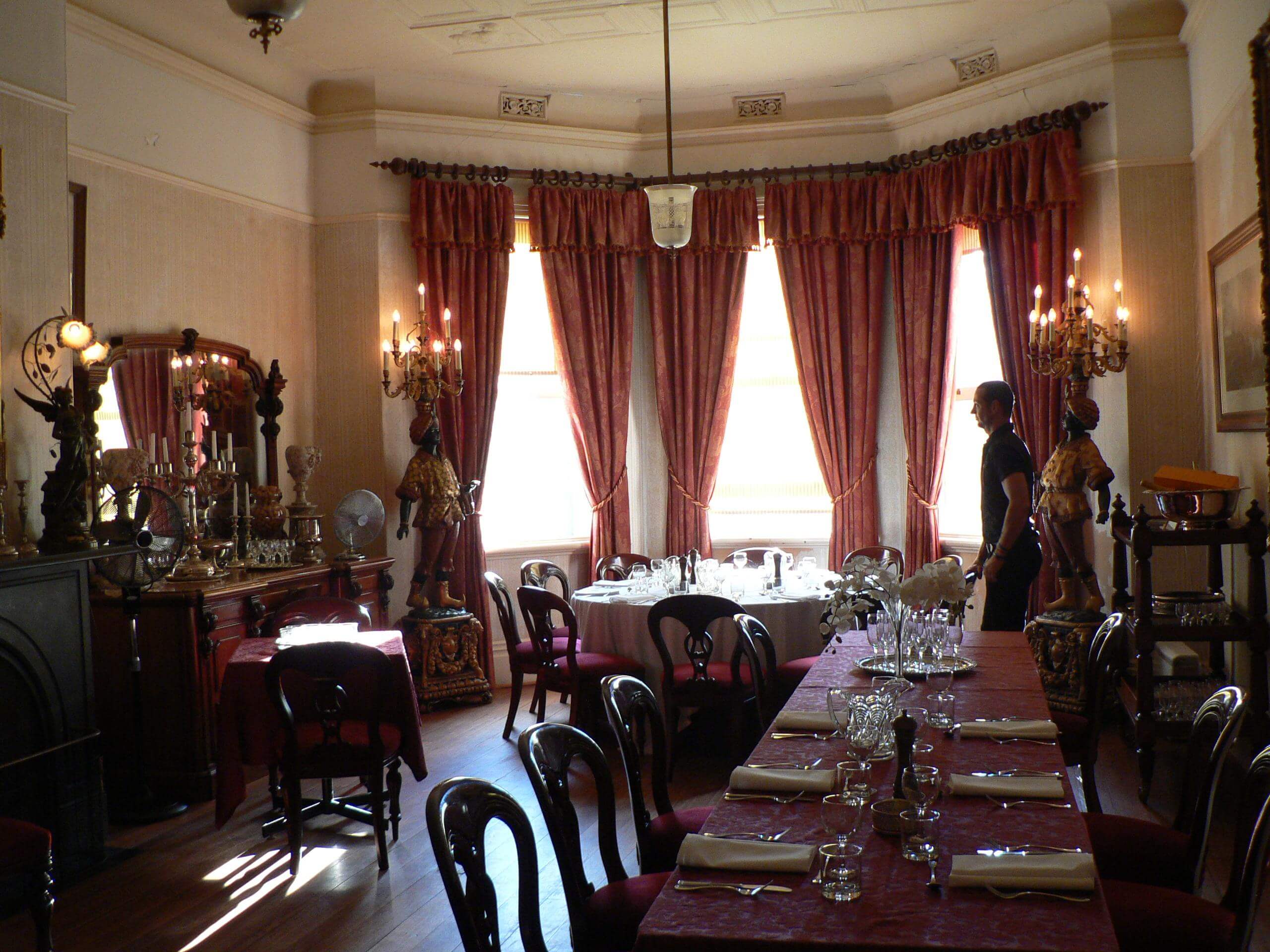
The beautiful red brick mansion stands out as an important historical landmark and benefits from its early colonial settlement. The homestead features tuck-pointed finely detailed triple brickwork with corrugated iron hipped rooves. There are 7 bedrooms a library and a stunning Georgian dining room addition which seats up to 48 guests. The later, classically derived dining room bay, provides an interesting contrast to the earlier plain exterior. The main two storey house has a centrally located brick entry porch with arched openings and simple arcaded balustrade above. A single storey concave verandah, supports paired timber columns that flank the porch and verandah returns with groupings of five columns that support the verandah corners. Various brick additions were made to the house by Atkinson in the 1890s. These include an addition across the north facade comprising a single storey dining room adjoining the two-storey section. This addition includes a rendered dining room bay with heavily modelled classical architraves.