Cestria – Hawthorn, Melbourne, Australia

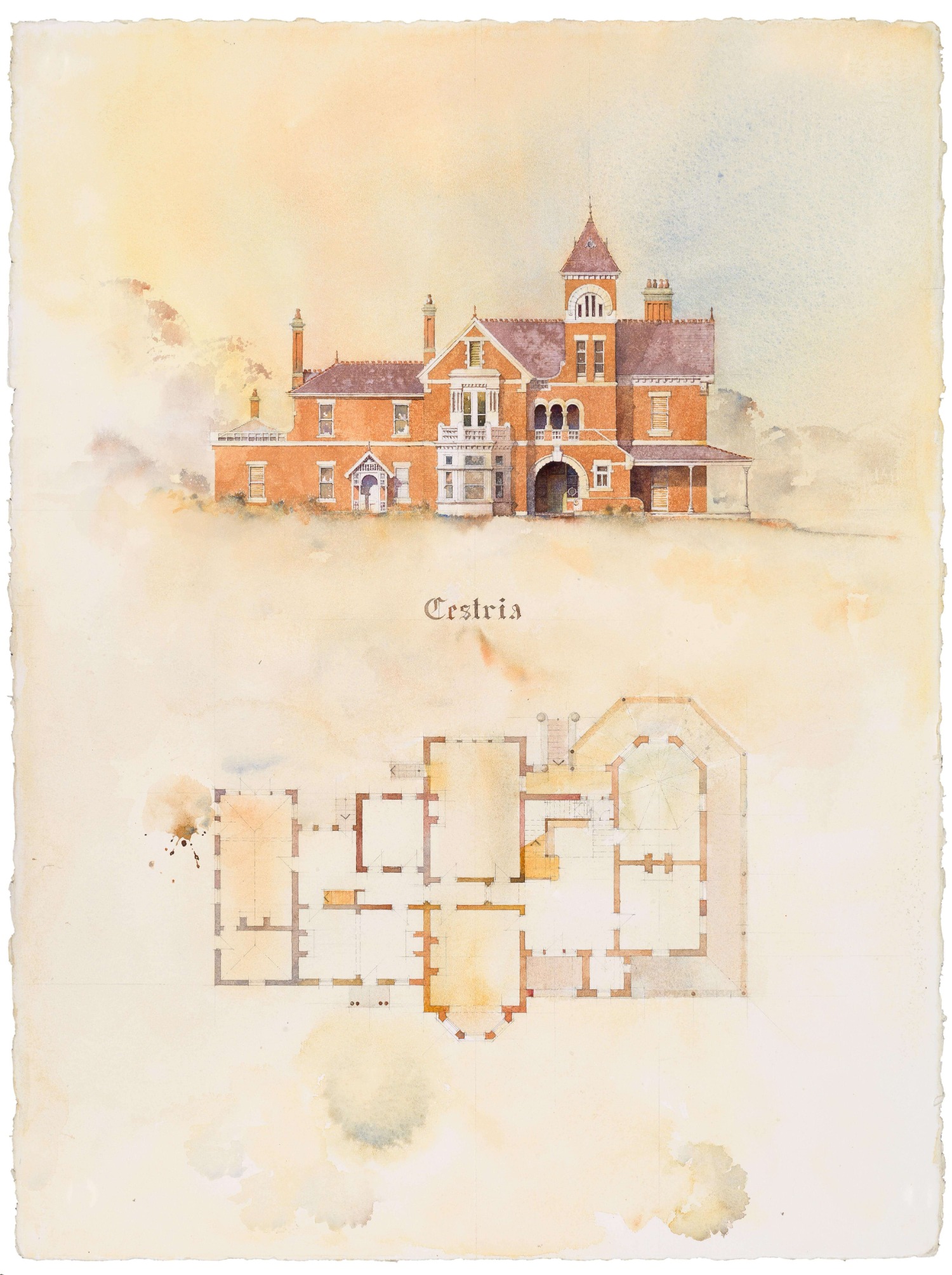
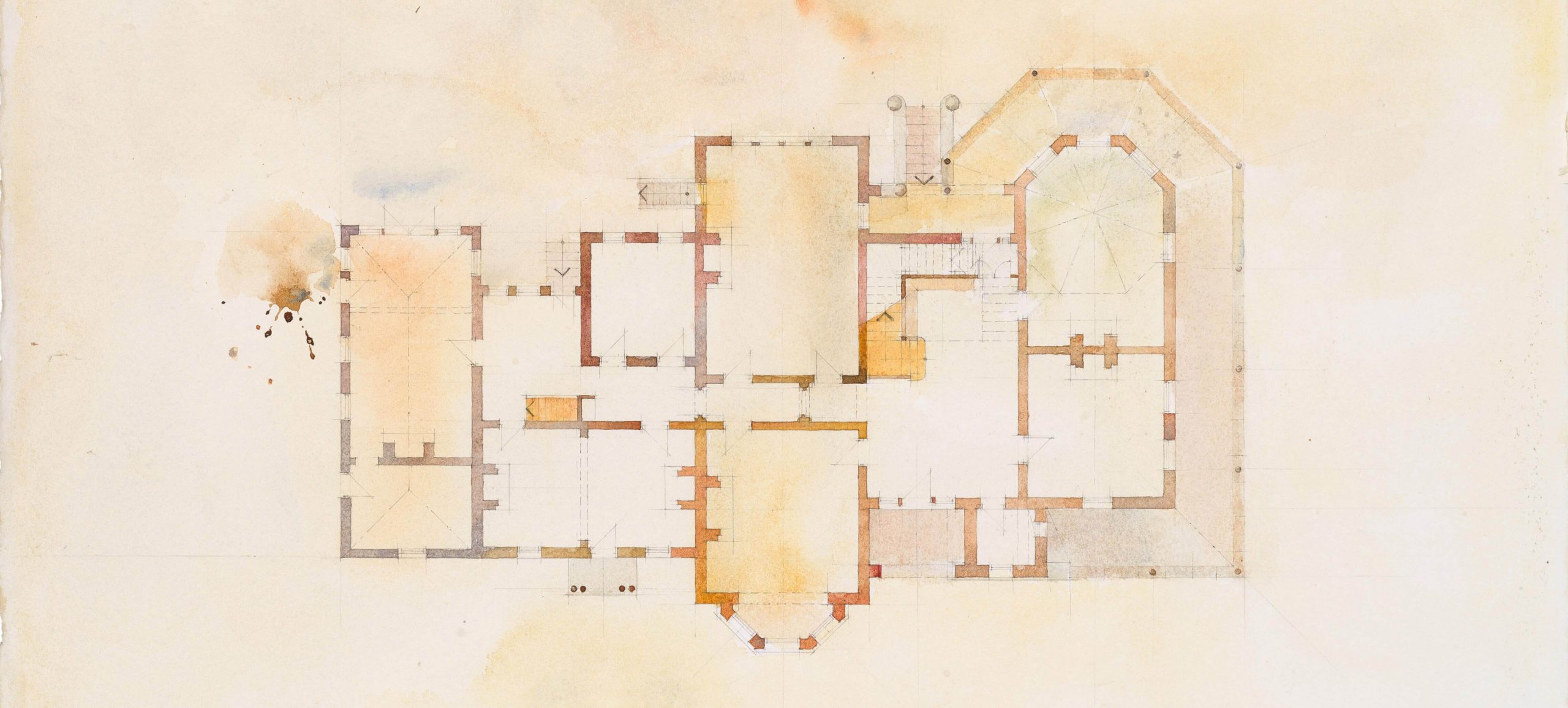
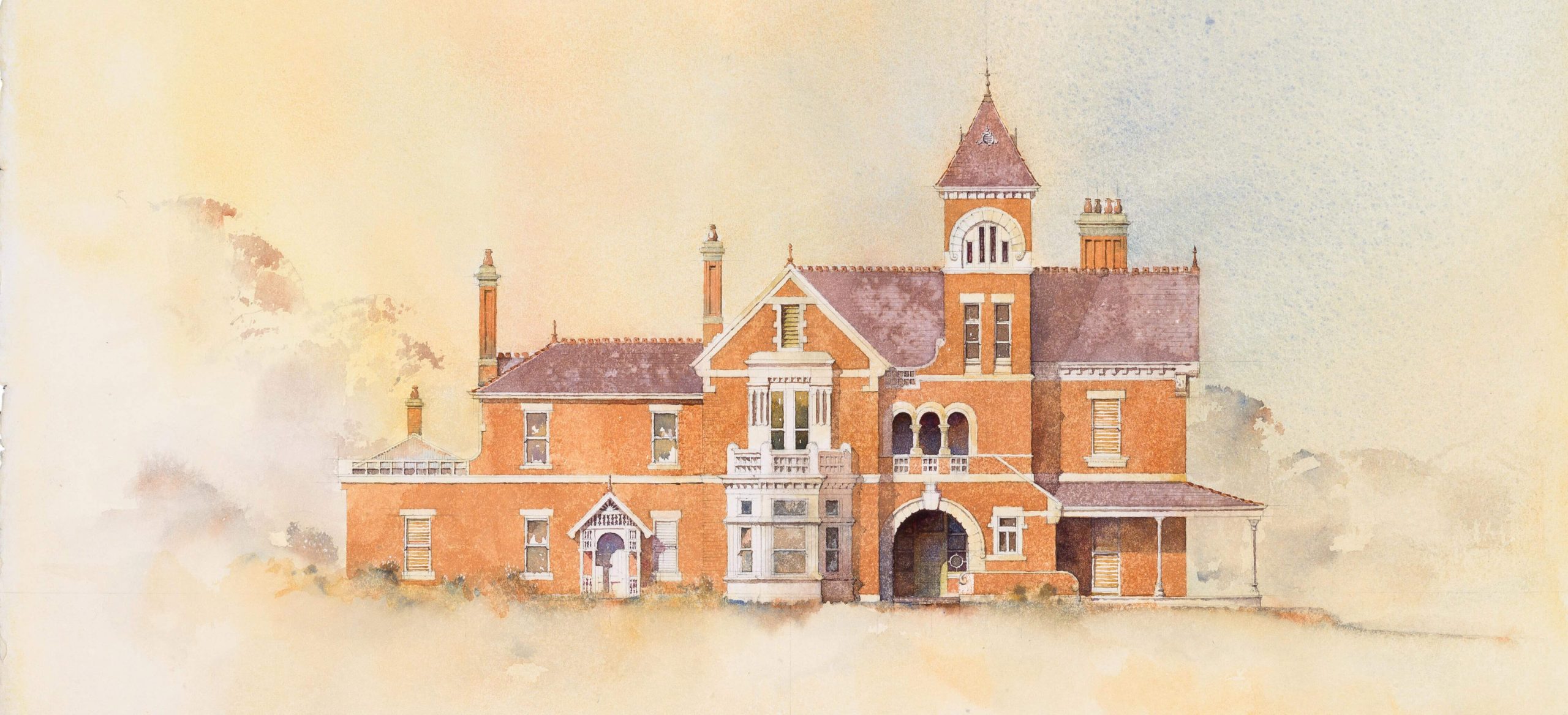
Cestria is one of Melbourne’s most illustrious residences. This grand Victorian built in 1891 is positioned on the summit of Scotch Hill in Hawthorn on a 2851sqm allotment. Previously a rooming house, the present mansion house has once again returned to owner-occupation. The original 4m ceilings and rich authentic period detailing remain intact and inspire a restoration project of un-paralleled scope. Designed by architect Edward George Kilburn of Ellerker and Kilburn, Cestria was originally built for the wealthy biscuit manufacturer Thomas B Guest in 1891 and influenced by Kilburn’s visit to America and keen interest in American Romanesque style. This style became popularly known as the ‘American Romanesque’ style.

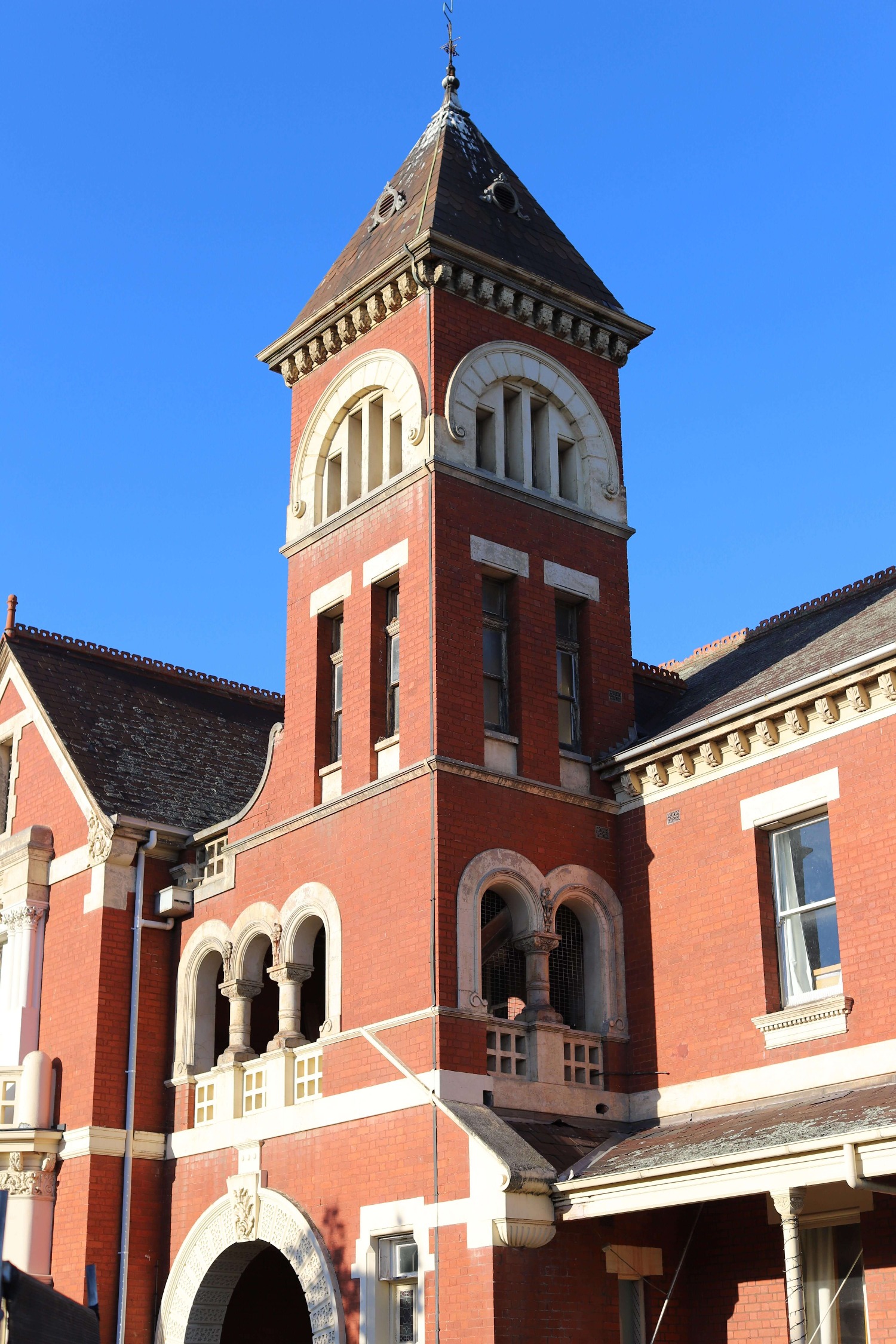
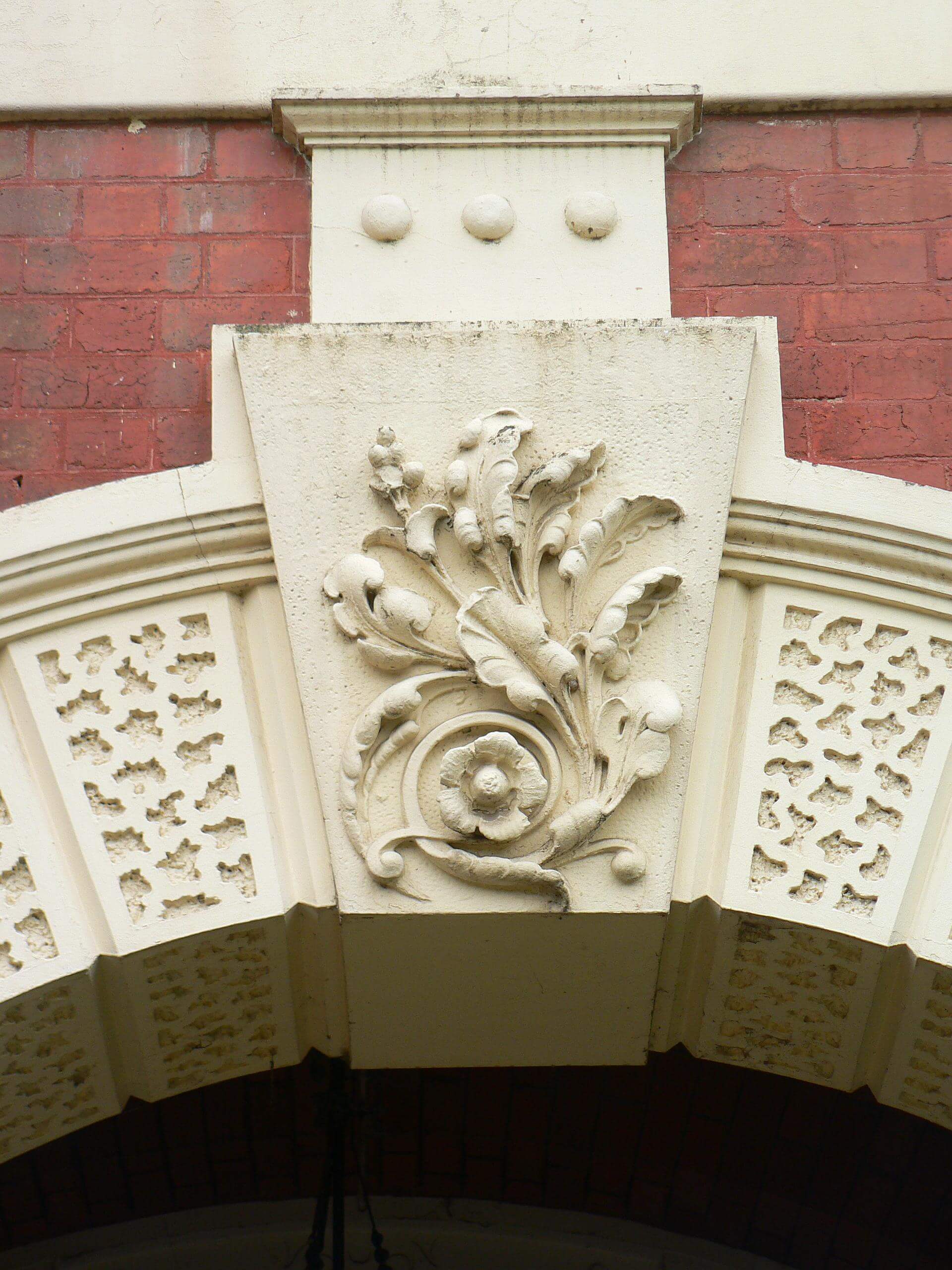
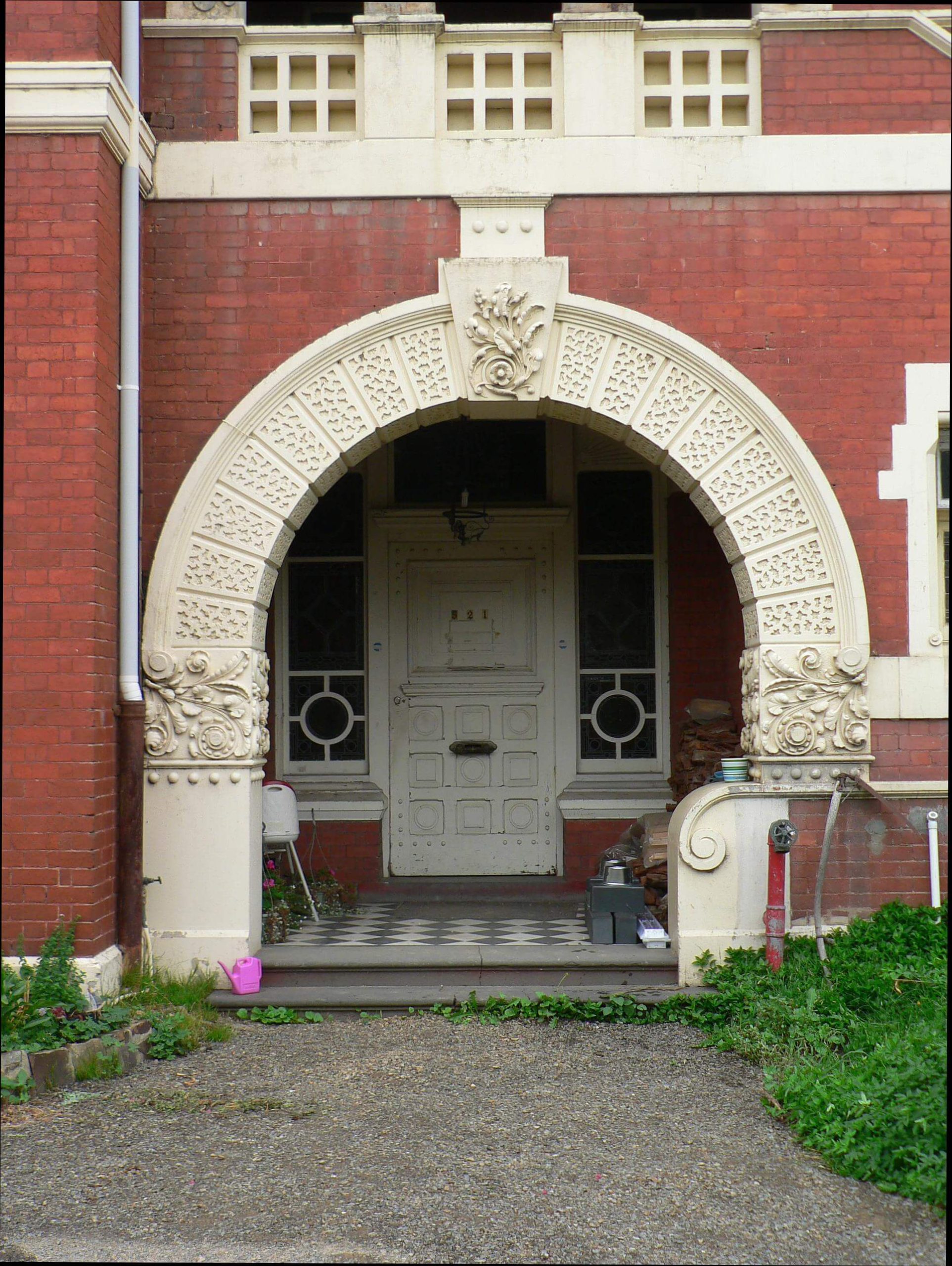
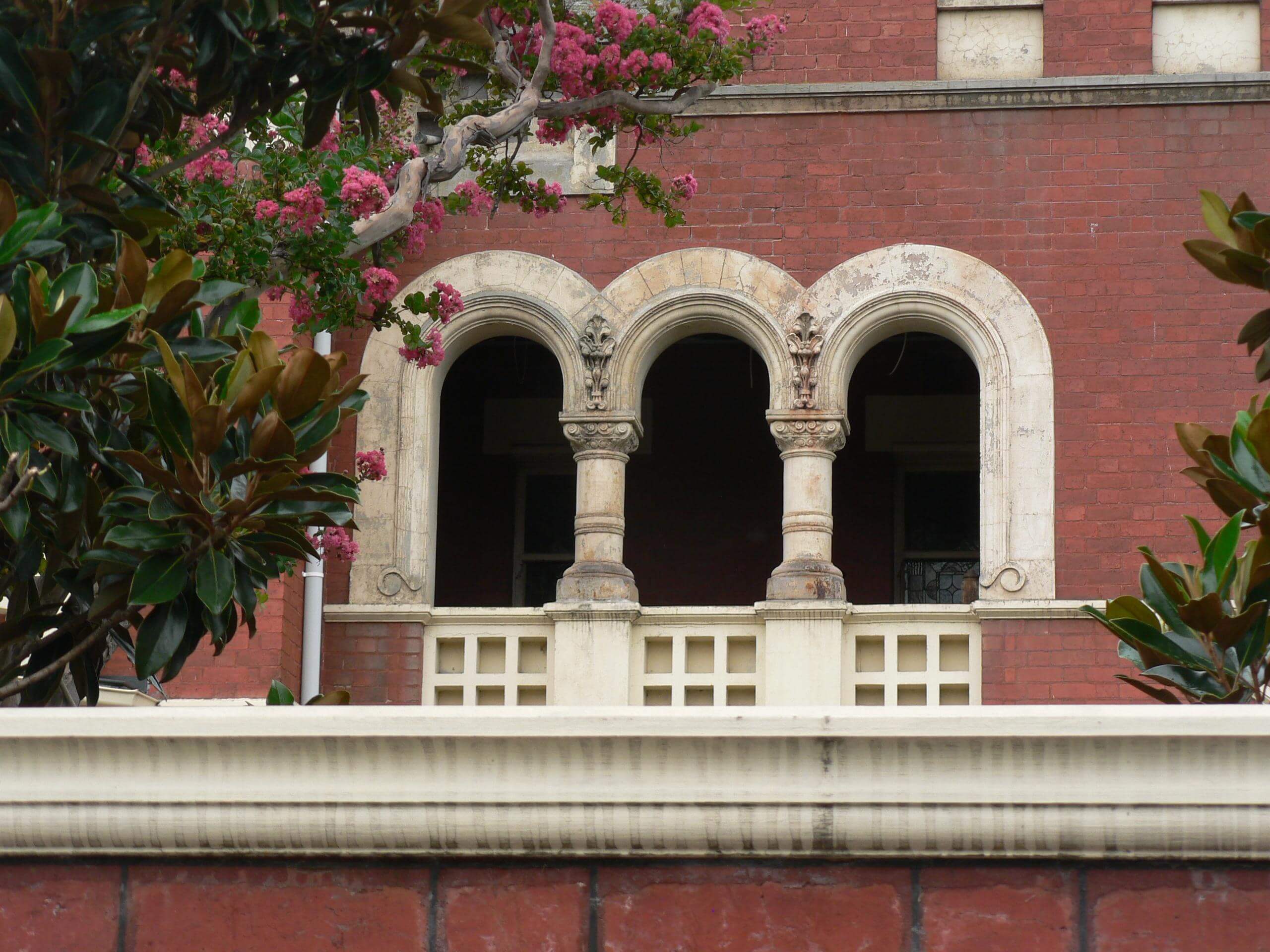
The grand three-storey mansion house features a striking four-storey tower over the main entrance. It is constructed of tuck-pointed face red brick relieved with cement rendered window and door dressings. A broad veranda on cast iron columns shades the ground floor on the north and west. The roof is of Welsh slate and dressed with terracotta crestings. The main entrance is through a characteristically American Romanesque semi-circular archway and semi-circular headed openings to the towers fourth stage. Perforated waffle balustrades to the main facade are repeated as a motif in openings to the north elevation. Internally, the impressive hall and staircase are constructed from mahogany and walnut, adding to the distinctively American feel.

Cestria is described by the Victorian Heritage Register as ‘the greatest domestic example of the American Romanesque style of architecture in Victoria’. The American Romanesque style readily lent itself to picturesque effects and a style suited to the Australian climate. However, Cestria is particularly significant as a reaction against the prevailing popularity of the Italianate style, characterised by decorative cast iron elements and urns. Cestria is significant for the part it played in the debate about an appropriate national style of architecture. The emergence of the American Romanesque and other red brick styles was central to the question of adapting an existing style to Australian requirements rather than creating a new one.