Corio Villa, Geelong, Victoria, Australia

Discreetly concealed on a hillside escarpment Corio Villa at Geelong in Victoria is unique to this world. The landmark cast-iron residence has a fascinating and unravelling history that enjoys spectacular views overlooking beautiful Corio Bay in Geelong. In late 1855 a consignment of crates from Glasgow were unloaded at Cunningham pier at Geelong. With no particulars of sender or receiver the strange assortment of cast iron sections, classic vases and roofing iron was left in storage. Apparently, the pieces were shipped by a gentleman who had decided to settle in the now flourishing community of Geelong. He decided to export his house from the newly set up foundry in Glasgow. He had hoped to build the prefabricated dwelling on his arrival, however, this never eventuated.

For six months this collection of building materials sat at the wharf unclaimed. As a result, the local port authorities for Cunningham pier made their inquiries. Their investigations were fruitless, furthermore, the Glasgow foundry where the moulds and records were kept was unfortunately destroyed by fire. To add to the mystery, plans to build the new villa had not been received by William Gray or by anyone intending to build. He ordered the prefabricated villa from their catalogue, but unfortunately died on 11 June 1854 prior to arriving at Geelong. This no doubt, would explain why he failed to claim his villa which arrived at the port in 1855. Nothing remained but for the local port authorities to consider disposing of these relics which were cluttering up their wharf. However, in the end, they were sold to Mr. Alfred Douglas for a small sum.

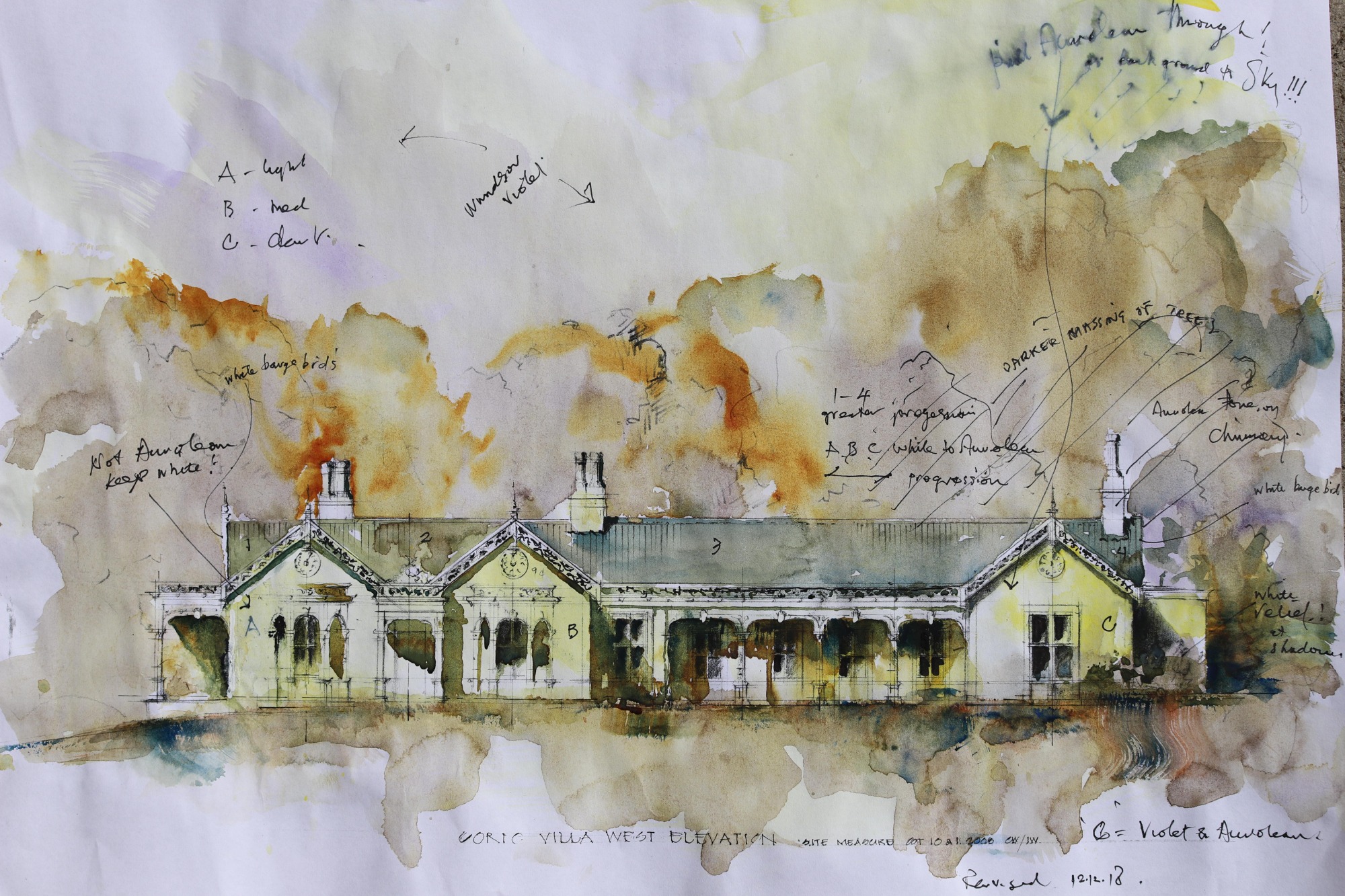
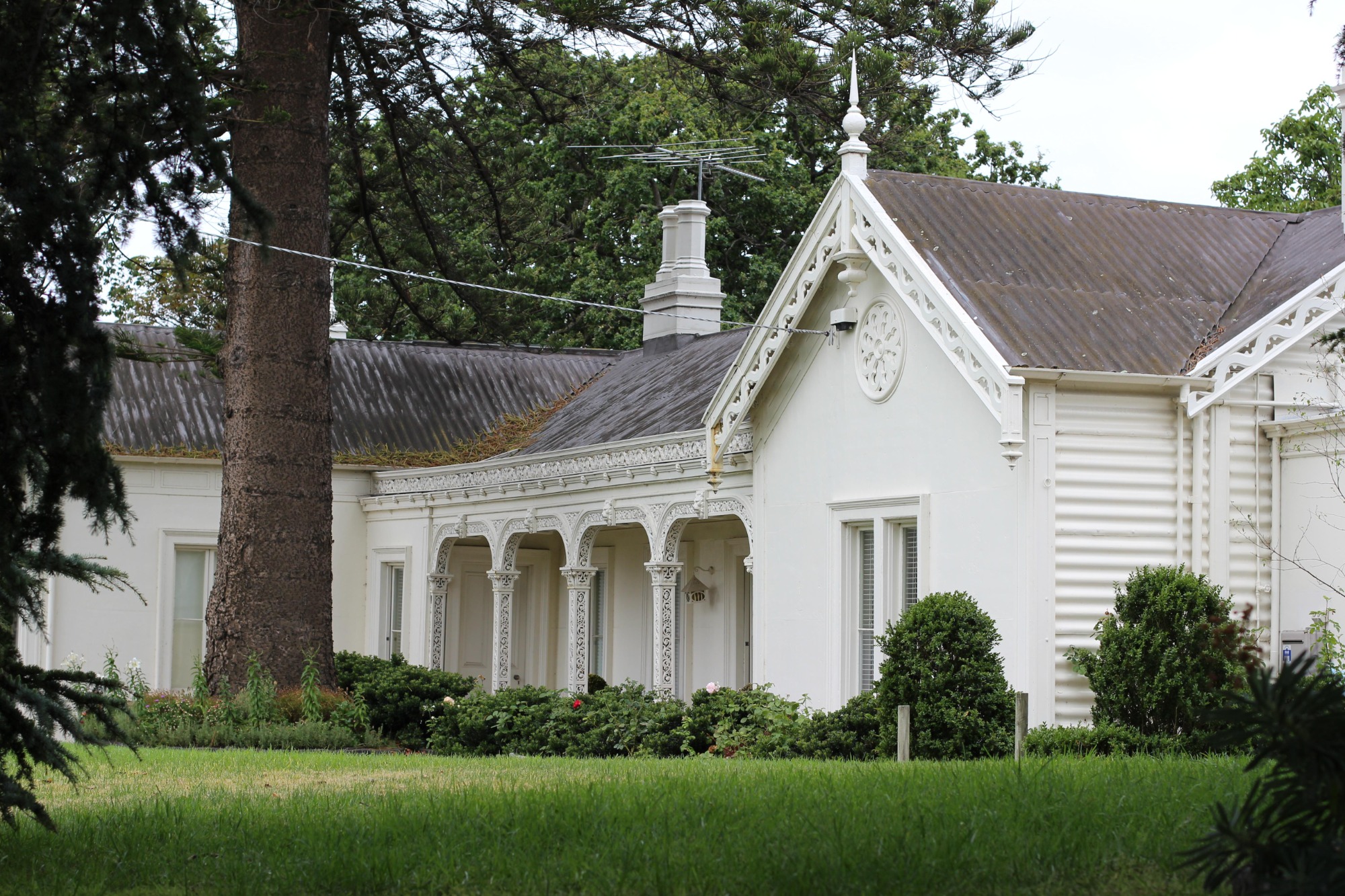
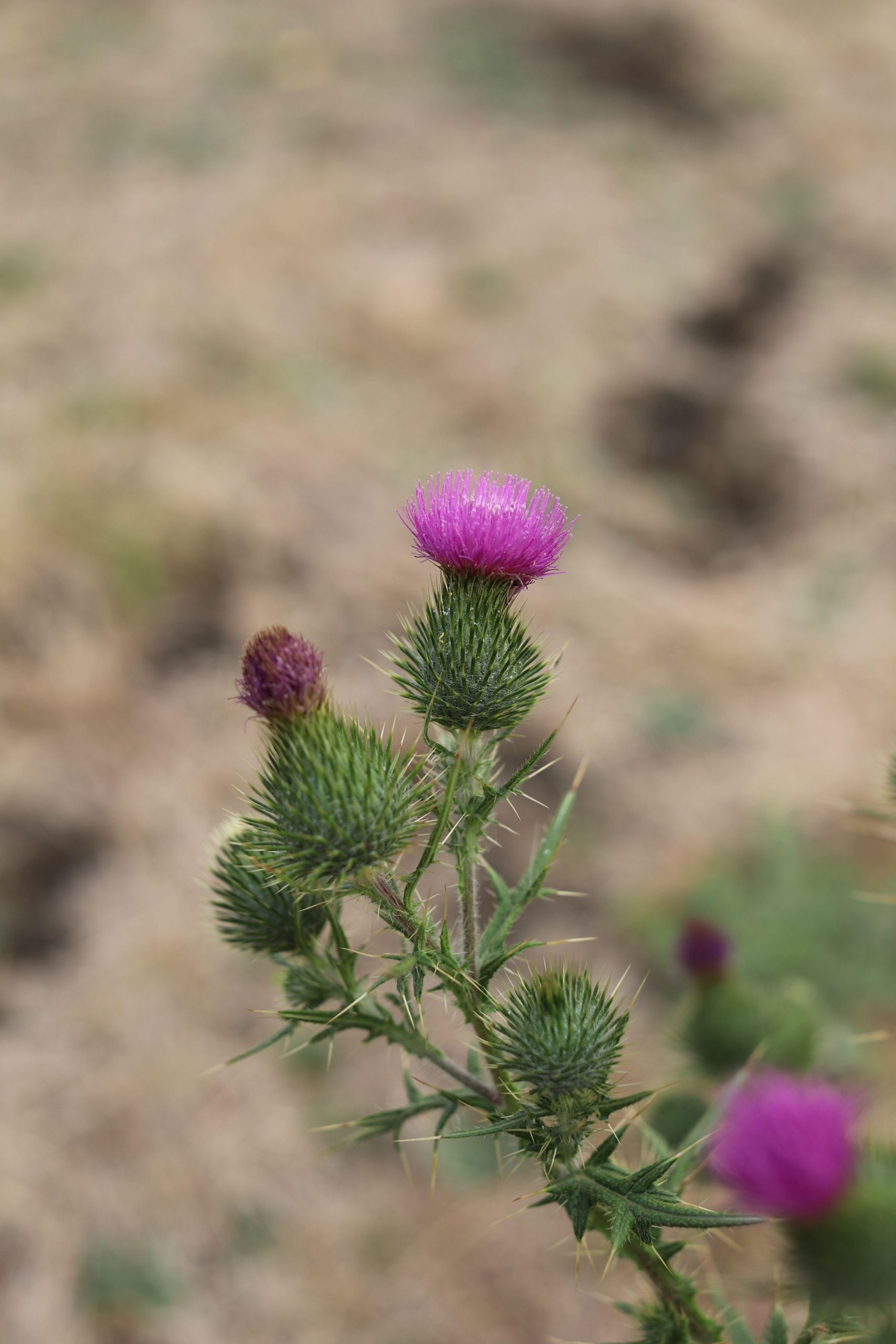
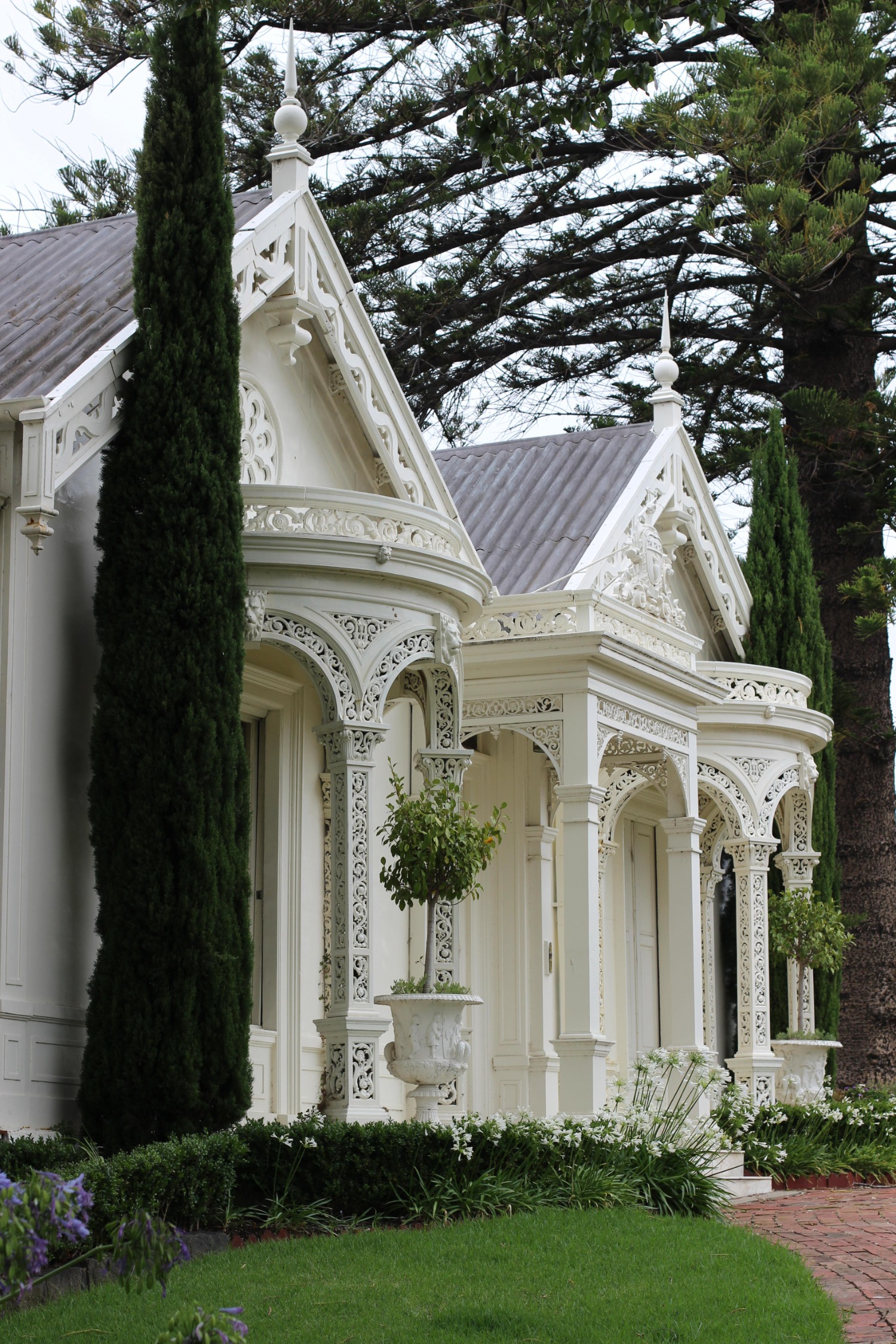
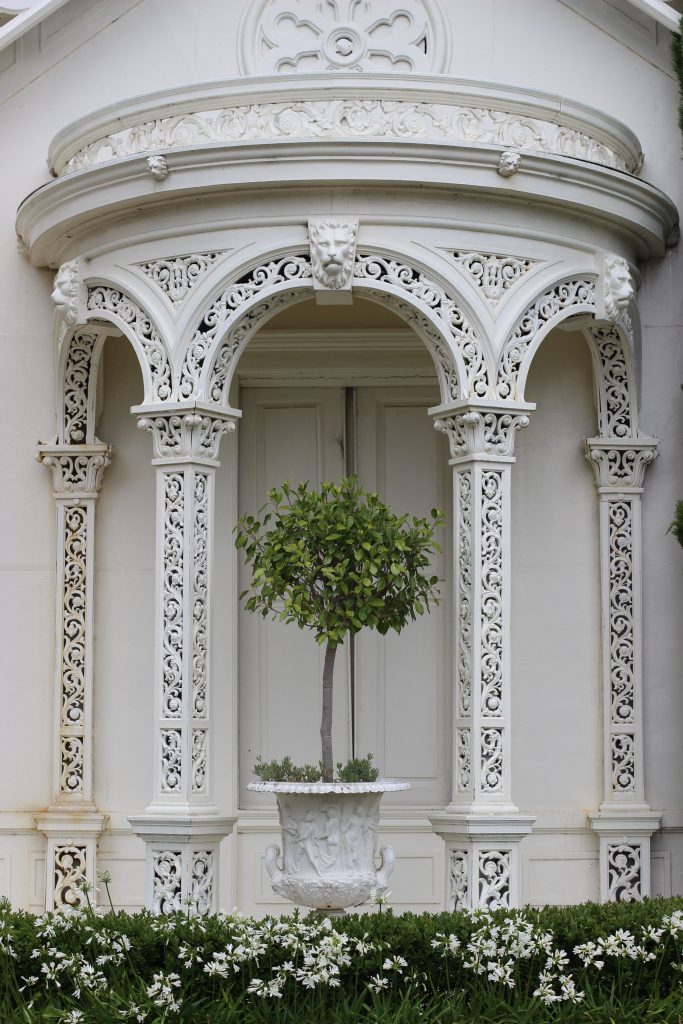
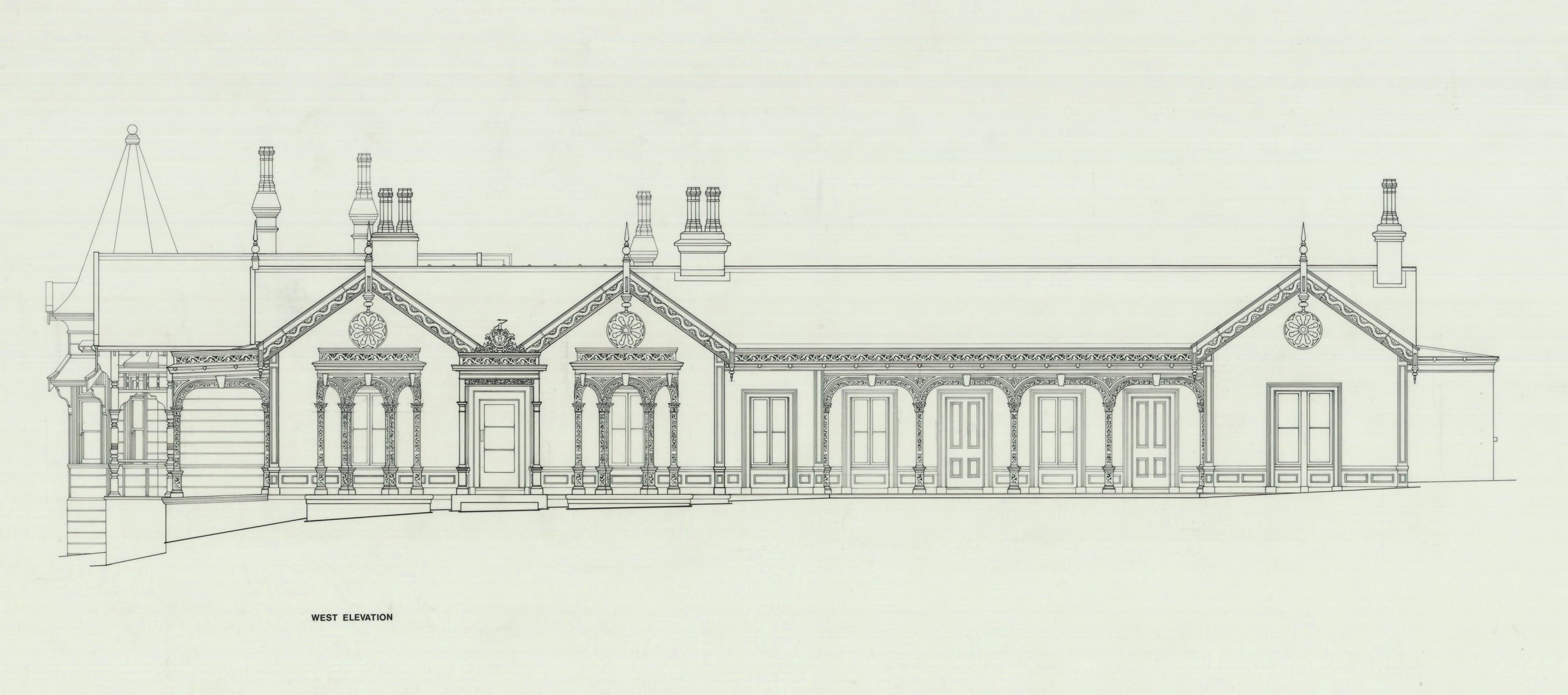
The iron sections were hauled to the top of the slope overlooking beautiful Corio Bay. Without plans or directions from Charles D. Young Foundries, colonial craftsmen solved the puzzle and built the villa in 1856. Certain changes were made which departed from the catalogue. The bowed verandahs changed position and square columns for round to the front of the house. A wooden portico between the two bows was added. There can be no doubt that Corio Villa was cast by the Scottish iron founders Charles D. Young & Co. The external walls are prefabricated from half inch thick cast iron boiler plate in 3 feet x 3 feet sheets butt welded together to form wall sections complete with window cavity sliders and lath and plaster internal linings. An unusual feature of Corio Villa is its 5-inch pitch corrugated galvanised iron roof instead of the usual 3 inch found throughout Australia. Most of the decorative work echoes the rose and Scottish thistle. Architecturally and historically, Corio Villa is significant as the first and only surviving prefabricated cast iron house in Australia. It is also historically important for its association with the prolific Scottish iron founders Charles D. Young and Co and design by Bell and Miller architects and engineers. Corio Villa is aesthetically significant for its richly decorated cast iron features and unique in Australia and possibly unique in the world.